Together We Prepare,
Together We Respond: Pacific Partnership 2026 returns to Tacloban
By
DPAO, 8ID PA
September 22, 2026
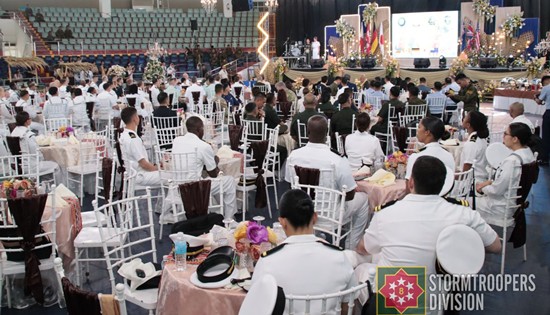
CAMP LUKBAN, Catbalogan City
– In a city that knows the devastating
cost of disaster, Pacific Partnership 2026 (PP26) returned to Tacloban City, Monday, September 21, 2026, opening at the Tacloban
City Convention Center and marking Leyte as the final stop of this
year’s multinational mission led by the U.S. Pacific Fleet.
The visit marks the 14th Pacific Partnership engagement in the
Philippines, bringing together allies, partners, and interagency
groups from Canada, Germany, Japan, the United Kingdom, New Zealand
and the United States to strengthen disaster-response capabilities,
improve interoperability, and reinforce a shared commitment to a
free, open, and secure Indo-Pacific.
U.S. Ambassador Lee Lipton traced Pacific Partnership to the 2004
Indian Ocean tsunami, underscoring how lessons from past disasters
continue to shape international cooperation. He also highlighted the
enduring partnership between the United States and the Philippines.
“When our friends and allies are in need, the Philippines is clearly
our loyal friend.”
Lipton said Pacific Partnership demonstrates how military forces can
contribute to the well-being and resilience of communities.
“Over the coming days, service members will conduct community
outreach, engineers will complete projects to improve Filipinos’
lives, and teams will run humanitarian aid and disaster training so
that we will be ready to save lives during future crises.”
For Tacloban City Mayor Alfred Romualdez, the return of Pacific
Partnership carries a deeply personal significance. He was mayor
when the mission first came to Tacloban in 2014, just months after
Super Typhoon Haiyan (Yolanda) devastated the city. His late father,
also a former mayor of Tacloban, witnessed the destruction
firsthand.
“He always told me that our friends from our partner nations will
always be with us, in good times and especially in hard times.”
Brig. Gen. Victor Llapitan, Assistant Deputy Chief of Staff for
Civil-Military Operations, AJ7, emphasized that Pacific Partnership
goes beyond military training.
“Pacific Partnership is more than a mission. It is an opportunity to
build relationships, capabilities, and trust that we need before a
crisis occurs.”
Llapitan noted that disasters recognize no borders and affect
military and civilian communities, government agencies, and nations
alike.
“When a major crisis strikes, no single country, organization, or
community can be expected to carry the burden alone. What matters is
whether the relationships, systems, and trust are already in place
to act quickly, effectively, and in a coordinated manner.”
Over the coming days, PP26 participants will conduct medical and
engineering training, community outreach, humanitarian assistance
and disaster management activities, and civil-military operations.
Engineers will also undertake projects aimed at improving community
infrastructure and resilience.
For Tacloban, the return of Pacific Partnership is more than a
multinational mission. It is a reminder that the lessons of disaster
are best transformed into preparedness – and that when communities and
nations prepare together, they are better positioned to respond
together when lives are at stake.